- Language
- Turkish · French · English
- Time difference
- 2 hours in winter, 1 in summer
- First session
- Free
- Emergency
- 112 · 144 · 143
“We called for workers, and people came”
The most quoted sentence on labour migration in Europe belongs to a Swiss writer. Max Frisch, in 1965, in the preface to a book of interviews with Italian workers in Switzerland, wrote: Man hat Arbeitskräfte gerufen, und es kommen Menschen. We called for workers, and people came. The sentence was written about the Italians, but soon became a summary of labour migration across Europe; it applied with the same clarity in Germany, in the Netherlands, and to those who came from Turkey. People had come not only as working bodies; they had come with their languages, their families, their mourning, their fears and their desires.
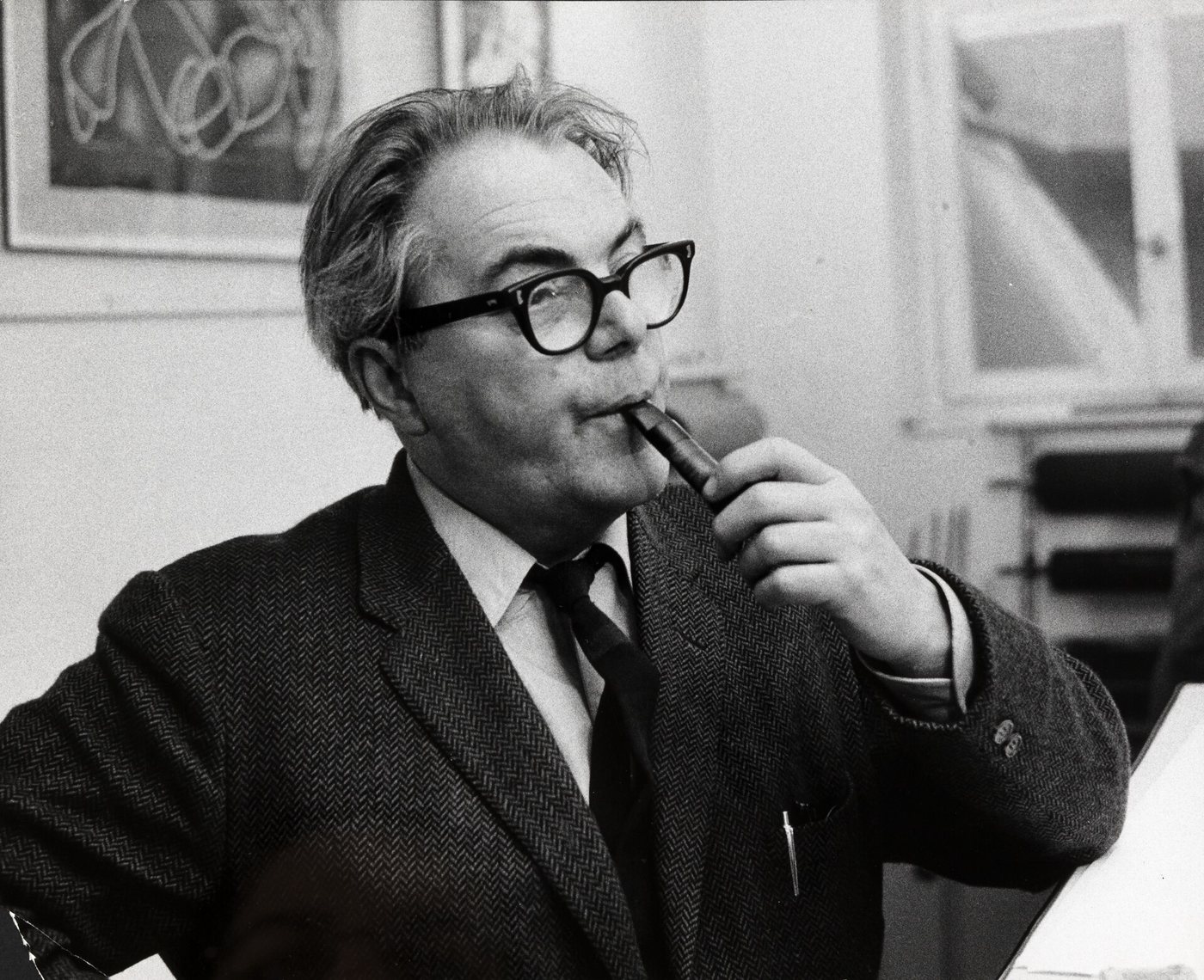
Frisch’s sentence is also a warning from the point of view of psychoanalysis. To see the migrant only as a problem of “integration”, a statistic or a labour force makes invisible his subjective life, that is, his own story, his own losses and his own questions. Psychoanalytic work begins from the opposite end: it listens to the person before it not as an instance of a category but as a subject who will tell his own history.
In a four-language country
In Switzerland German, French, Italian and Romansh are official languages. Those who came from Turkey and their children grow up in one of these languages according to the canton they live in; in Zurich, Basel or Bern in Swiss German, in Geneva and Lausanne in French. The sessions can be held in Turkish, French or English. For those living in French-speaking Switzerland, French can be the most natural way of expressing their inner world; it is also possible to move between Turkish and French.
Switzerland holds a special place in the history of psychoanalysis too. The Burghölzli clinic in Zurich was where Eugen Bleuler developed the concept of “schizophrenia” and where the young Carl Gustav Jung worked; it was here that Freud’s thought first found serious clinical interest outside Vienna. Its tie to the modern history of Turkey lies in another city, Lausanne: the Treaty of Lausanne signed in 1923. Lausanne was also where Elias Canetti, after his father’s death, learned German from his mother; Canetti spent part of his youth in Zurich and gave his autobiography, as the record of a life saved between two languages, the title Die gerettete Zunge, The Tongue Set Free.
What is often talked about in the sessions
Among the questions analysands living in Switzerland often bring are growing up between two languages and two cultures, generational differences within the family, the burnout and loneliness created by a fast-paced working life, anxiety and mourning about parents far away, and the silent stories carried by the children of families who migrated for political reasons.
Practical information
Time difference. Switzerland uses UTC+1 in winter and UTC+2 in summer. Turkey is UTC+3 all year; it is two hours ahead in winter and one in summer.
Insurance. In Switzerland basic health insurance covers, since 2022, under certain conditions and on a physician’s referral, psychotherapy with psychologist-psychotherapists recognised in Switzerland. Sessions with a practitioner working outside Switzerland are not within this scope.
In an emergency
These sessions are not an emergency service. If there is a danger of harming yourself or someone else, call 112 at once, or 144 for an ambulance. Die Dargebotene Hand, in French La Main Tendue, can be reached at any hour of the day on 143; for children and young people Pro Juventute offers help on 147.
- Emergency services112
- Ambulance144
- Die Dargebotene Hand / La Main Tendue143
- Pro Juventute (children and young people)147
Frequently asked questions
Can we hold the sessions in French?
Yes. The sessions can be held in French, Turkish or English. I do not offer sessions in German or Italian.
Does basic health insurance cover the sessions?
No. Basic insurance in Switzerland covers only psychotherapy with psychotherapists recognised in Switzerland, on a physician’s referral. If you have supplementary insurance, you can ask your insurer about its terms.
The first session is free. To arrange a day and time or to ask your questions, you can write to me in Turkish or French.
Contact form