- Language
- Turkish · English · French
- Time difference
- 2 hours in winter, 1 in summer
- First session
- Free
- Emergency
- 112 · TelefonSeelsorge 116 123
Workers were called, and a life was built
When the labour agreement between Turkey and the Federal Republic of Germany was signed, both countries assumed it would be a temporary arrangement. The first text of the agreement provided that workers should stay at most two years and not bring their families; these limits were lifted within a few years, since the factories did not want to lose experienced workers and people had begun to build a life where they had come. When Germany stopped recruiting foreign workers in November 1973, many families who saw that coming and going would never again be so easy brought their spouses and children over. What was expected to be temporary has become the life of some three million people.
What is interesting about this history from a psychoanalytic point of view is how the feeling of “temporariness” has gone on living through the generations. Many of the first generation, even after decades in Germany, still saw themselves as about to return: the house built in the village, the money saved, the retirement plans were all arranged around a return. The second generation grew up inside this suspended life; born in a country their parents had never quite arrived in, they were counted children of a homeland they had never quite left. They spoke German at school and Turkish at home; in summer they were “Almancı” in Turkey, in winter “foreigners” in Germany. For the third and fourth generations the question is no longer so much where one belongs as in which language and before whom one can say “I”.
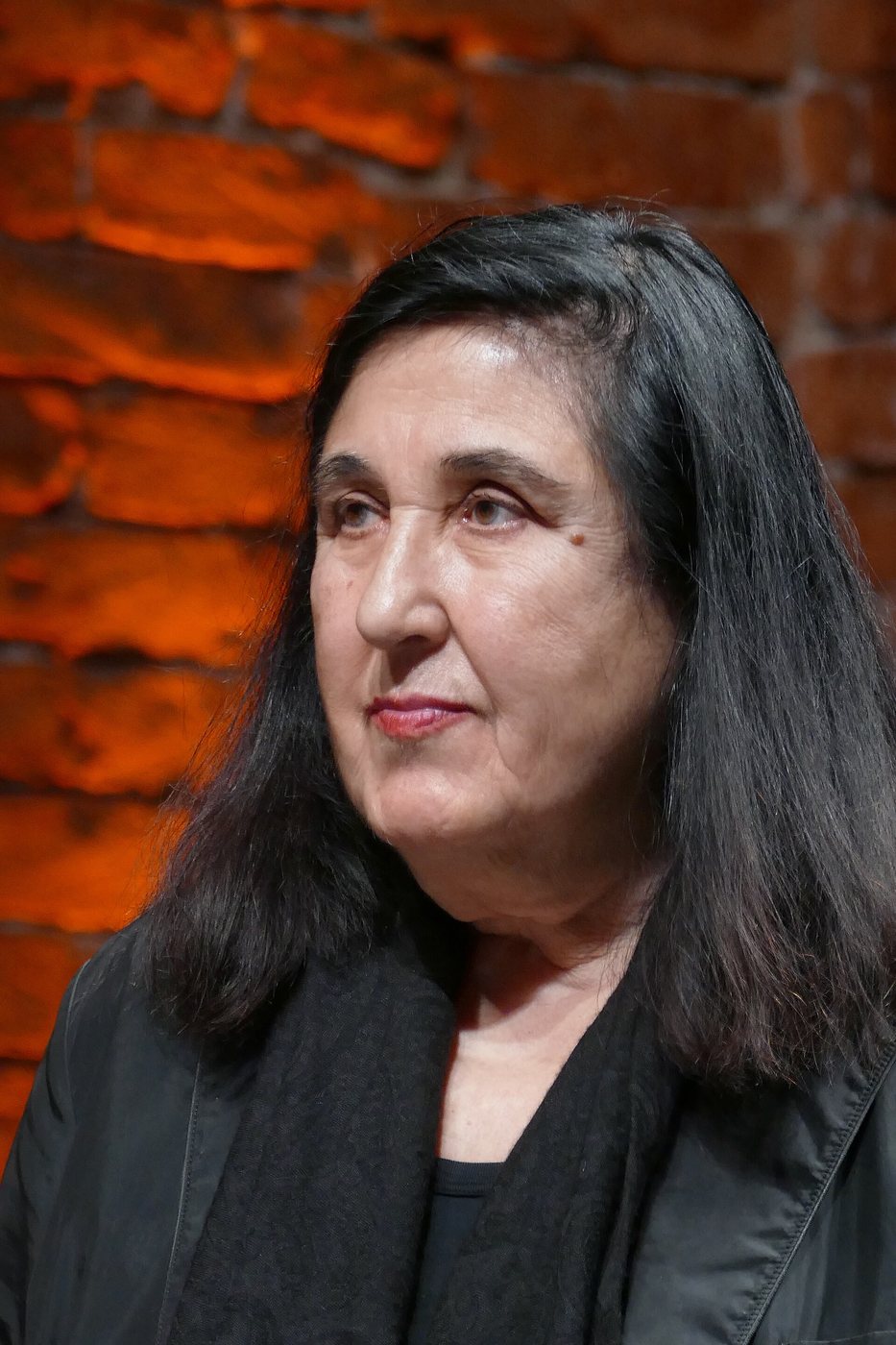

The story of Turkey’s migrants in Germany has also produced a literature and a cinema that tell this experience from within German. Aras Ören’s long poem Was will Niyazi in der Naunynstraße, published in 1973, told the life of a street in Berlin-Kreuzberg through the eyes of a worker from Turkey. Emine Sevgi Özdamar gave her first book, published in 1990, the title Mutterzunge: in German the mother tongue is Muttersprache, but Özdamar, translating the Turkish expression ana dil word for word, carried into German a language in which the organ and speech are named by the same word. Fatih Akın’s Head-On, which won the Golden Bear in Berlin in 2004, brought to the screen with all its harshness the second generation’s struggle to find a place between two languages and two worlds. The question these works share is also the question of psychoanalytic work: in which language can a person tell his own story between two languages?
What is often talked about in the sessions
The questions analysands living in Germany bring to the sessions reflect the different forms that life far from home takes in each generation. For the first generation: retirement, old age and the decision to return; a mourning postponed for years, the death of a distant parent, put into words only now. For the second: the tension between their parents’ expectations and their own life, the conflicting demands of two cultures in marriage and relationships, the question of which language to raise their children in. For the younger generations: experiences of discrimination, questions of identity, and the complicated emotional weight of the relation with Turkey. Alongside these are the troubles not directly tied to exile but lived otherwise in exile: anxiety, depressive periods, relationship difficulties or burnout at work.
Practical information
Time difference. Germany uses Central European Time (UTC+1) in winter and Central European Summer Time (UTC+2) in summer. Turkey is UTC+3 all year; so Turkey is two hours ahead in winter and one in summer. Times are arranged according to where you are.
Insurance. Statutory health insurance in Germany (gesetzliche Krankenversicherung) covers psychotherapy only through therapists licensed in Germany and contracted with the insurers. These sessions are not within this scope and the insurer does not reimburse them. If you are looking for a therapist covered by insurance, you can use the appointment service at 116 117.
Language. The sessions can be held in Turkish, English or French; it is possible to move between languages. I do not offer sessions in German.
In an emergency
These sessions are not an emergency service. If there is a danger of harming yourself or someone else, call 112 at once. In Germany the TelefonSeelsorge can be reached at any hour of the day, free of charge and anonymously; the same organisation also gives support by writing and chat.
- Emergency services112
- TelefonSeelsorge0800 111 0 111
- TelefonSeelsorge0800 111 0 222
- TelefonSeelsorge116 123
- Appointments for insured psychotherapy116 117
Frequently asked questions
I was born in Germany and my Turkish is weak. Can we still meet?
Yes. The sessions can be held in Turkish, English or French, and you can move between languages. The moments when you cannot find a word in Turkish, and the moments when you pass from one language to another, are part of the work too.
Does the Krankenkasse cover the sessions?
No. Statutory health insurance in Germany covers only psychotherapy with therapists licensed and contracted in Germany. If you have private insurance, I recommend that you ask your insurer about its terms.
At what times can the sessions be held?
Times are fixed together according to your time zone. Since Turkey is two hours ahead in winter and one in summer, sessions in the evening are generally convenient for both sides.
The first session is free. To arrange a day and time or to ask your questions, you can write to me; it is enough to give in your message the city in Germany where you live.
Contact form